Why Does Sandalwood Fragrance Oil Smell Sweeter After It Cures?
Freshly blended sandalwood can smell drier, sharper, or more separated than expected. Give that same candle, soap, or body product time to rest, however, and it may become noticeably creamier and sweeter. The formula has not necessarily changed in a dramatic way. Instead, the fragrance and its base have settled into a more balanced aromatic profile.
Why Does Sandalwood Fragrance Oil Smell Sweeter After It Cures? The Simple Explanation
The sharper parts of a fragrance often create the strongest first impression. Lighter materials reach the nose quickly and may smell woody, smoky, peppery, green, or slightly medicinal. As those opening notes become less dominant, slower sandalwood, amber, musk, and vanilla notes are easier to recognize. The fragrance does not necessarily gain sweetness; the sweetness already present becomes less hidden.
Why Does Sandalwood Fragrance Oil Smell Sweeter After It Cures? In most cases, it is a combination of gradual evaporation, more even fragrance distribution, and the way our noses interpret a smoother blend. It is not usually one dramatic chemical reaction. Several small changes happen together, taking the rough edges off the original scent.
A Finished Blend Smells More Unified
Right after a product is made, individual notes may feel as though they are competing. A floral accent can sit above the wood, or a spice note can seem disconnected from the creamy base. As the product rests, those parts become harder to identify separately. The scent feels rounder, more unified, and naturally sweeter.
Why Does Sandalwood Fragrance Oil Smell Sweeter After It Cures in Wax?
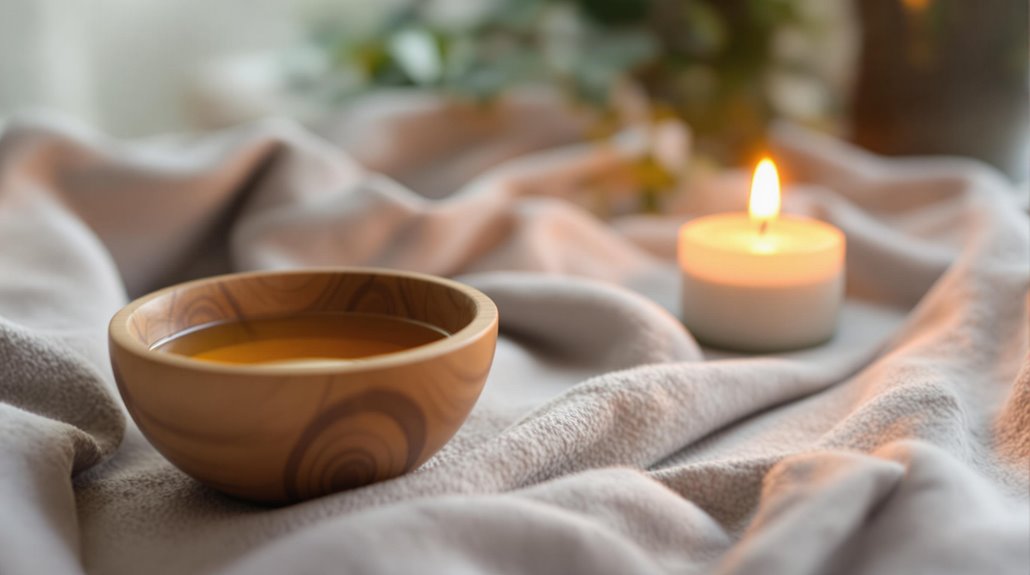
Wax controls how quickly different fragrance materials reach the air. Immediately after a candle is poured, the wax is still cooling, hardening, and forming its final structure. Even when the fragrance was mixed properly, the early cold throw can smell uneven or muted. A proper cure helps the candle present the fragrance more consistently.
Why Does Sandalwood Fragrance Oil Smell Sweeter After It Cures? In candles, the wax may hold back some base notes until the product has had time to settle. Once cured, the candle can release its woody, creamy, and sweet elements in a more balanced way. Waiting did not create the sweetness; it made the full fragrance easier to smell.
Vanilla Makes Sandalwood Feel Richer
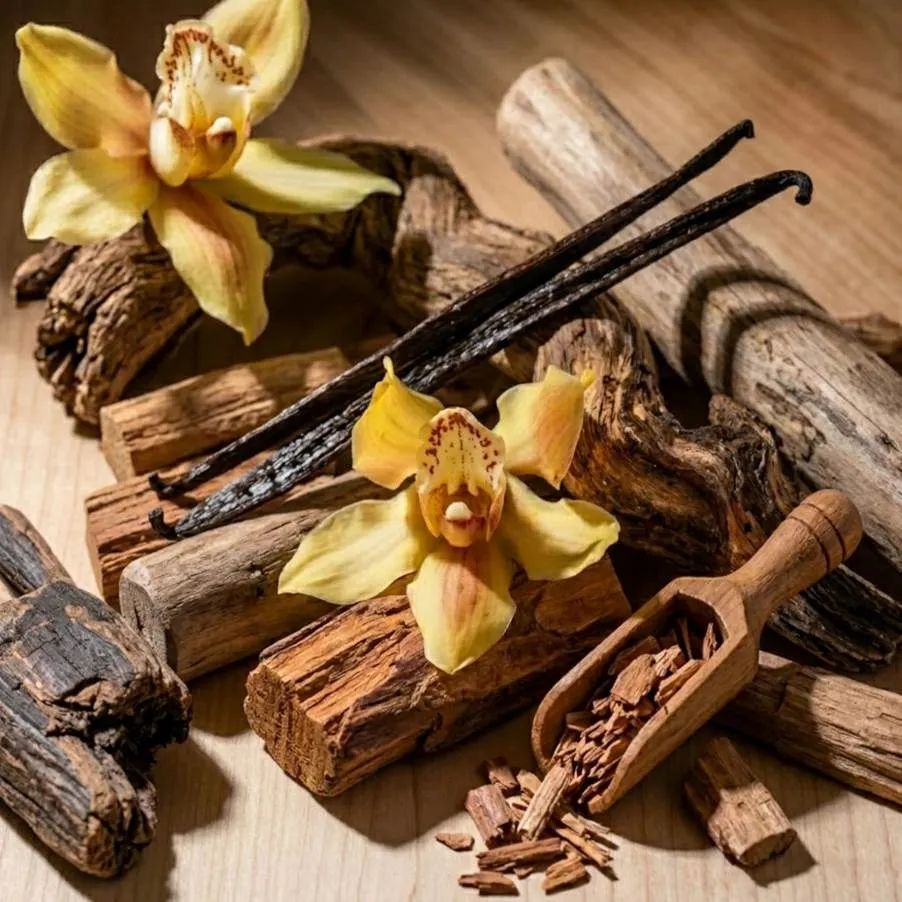
Vanilla naturally softens dry woodiness without covering it. A fragrance such as Vanilla Sandalwood Fragrance Oil may smell more cohesive after curing as the vanilla settles into the warm wood base. Instead of reading as two separate notes, the combination becomes creamy and full. That integration can make the finished fragrance seem considerably sweeter.
Why Does Sandalwood Fragrance Oil Smell Sweeter After It Cures in Soap?
Soap creates different conditions than wax. In cold-process soap, fragrance is exposed to heat, high alkalinity, and the continuing changes associated with saponification. Some delicate notes weaken, while stable woody, amber, musk, and vanilla materials remain. That shift can leave the cured bar smelling warmer and sweeter than the fresh batter.
Why Does Sandalwood Fragrance Oil Smell Sweeter After It Cures? Moisture loss can also change the way a soap bar smells. As the bar hardens and excess water evaporates, the fragrance may seem clearer within the finished product. The scent is usually easier to judge after the bar has completed its normal curing period.
Rose Can Reveal Sandalwood's Softer Side
Sandalwood does not need vanilla to smell sweet. Rose and other florals can emphasize its velvety qualities while preserving its woody depth. Sandalwood Rose Fragrance Oil may begin with a stronger floral lift and then settle into a warmer, more rounded profile. As the rose and wood integrate, the blend can feel softer without becoming sugary.
Sweetness in fragrance does not always mean candy, fruit, or frosting. It can also describe creaminess, warmth, smoothness, and the absence of harsh edges. That distinction is especially important with sandalwood. The fragrance may seem sweeter simply because its parts have become more harmonious.
Cure Time Cannot Fix Every Formula
Curing improves balance, but it cannot correct every problem. Excessive fragrance oil, poor mixing, an incompatible base, or an unsuitable wick may still produce weak or unpleasant results. A harsh candle caused by an overloaded formula may remain harsh after several weeks. Time helps a sound formula settle; it does not automatically rescue a flawed one.
Storage conditions matter as well. Excessive heat may speed up the loss of lighter materials, while cold temperatures can temporarily mute the scent. Direct sunlight and repeated temperature swings may also affect performance. Store test products at a stable room temperature and away from strong light whenever possible.
How Long Should Sandalwood Fragrance Oil Cure?
There is no universal cure time. Many candles improve after several days, while some vegetable-wax formulas perform better after one to two weeks. Cold-process soap commonly cures for several weeks because the bar itself needs time to harden and lose water. Lotions and emulsions may reveal their settled fragrance after only a few days.
Test at planned intervals rather than relying on memory. Smell the product after 24 hours, one week, two weeks, and later when appropriate. Record its strength, sweetness, woodiness, and overall balance at every stage. Those notes will help you identify the best cure time for your exact formula.
The Final Scent Comes Down to Balance
Why Does Sandalwood Fragrance Oil Smell Sweeter After It Cures? Curing allows bright notes to soften, heavy base notes to emerge, and the fragrance to integrate with the product around it. The sandalwood was not necessarily missing its sweetness at the beginning. It may simply have been hidden behind a louder, less settled opening.
For makers, the full cure period should be part of every fragrance test. Judging too early can lead to unnecessary formula changes, excessive fragrance loads, or the wrong conclusion about a scent. Give the product time, evaluate it in its intended base, and compare it at several stages. The smoother, sweeter version may already be developing beneath the surface.
Related posts