Scents That Remind You of Historic San Antonio Streets
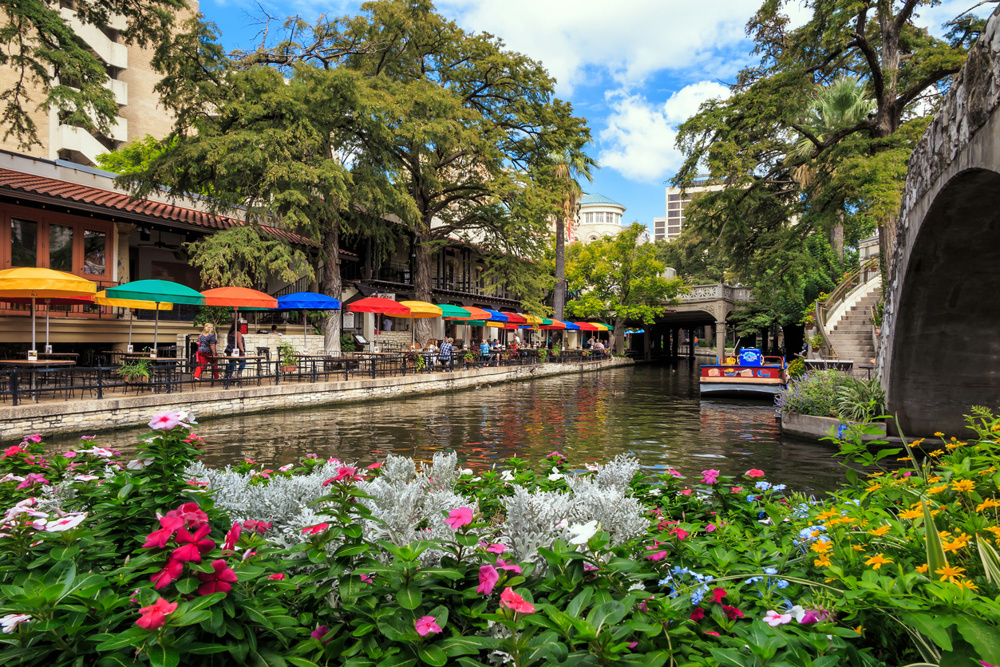
Walking through historic San Antonio, visitors often notice how certain aromas become part of the city’s atmosphere. Along the River Walk, in Market Square, and inside historic buildings, familiar scents—from roasted pecans to fresh tortillas—create a sensory connection to the city’s long cultural history.
San Antonio’s historic districts blend influences from Spanish colonial heritage, Mexican culinary traditions, and Texas ranch culture. While the sights and architecture draw most visitors’ attention, the smells of flowers, cooking spices, and old wood interiors quietly contribute to the experience of exploring the city’s oldest streets.
These scents do not define the city in a literal sense, but they help evoke the atmosphere of downtown plazas, riverfront walkways, and historic markets that have shaped San Antonio’s cultural identity for centuries.
Downtown Aromas: Flowers, Pecans, and Courtyard Gardens
Walking through downtown San Antonio, especially near the River Walk andLa Villita Historic Arts Village, visitors may notice the scent of flowering plants mixed with the aroma of nearby bakeries and street food vendors.
Many courtyards and hotel gardens feature regional plants such as roses, jasmine, and seasonal flowers, which add light floral notes to the air along shaded walkways.
Another recognizable aroma comes from roasted pecans, a traditional Texas snack sold in specialty shops throughout downtown. Stores like The Pecan Store at Market Square and other confection vendors roast pecans on-site, releasing a warm, nutty fragrance that drifts into nearby streets.
Together, these scents reflect the combination of garden courtyards and local food traditions that characterize San Antonio’s historic districts.
Coffee Aromas from Historic Cafés Near the River Walk
Coffee has long been part of the daily rhythm in downtown San Antonio. Along the River Walkand nearby historic plazas, cafés and bakeries often fill the air with the smell of freshly brewed coffee and roasted beans.
Historic establishments such as La Panadería near Houston Street and Ocho at Hotel Havana serve traditional coffee drinks influenced by Mexican and Latin American café culture. Nearby bakeries and cafés frequently prepare café de olla, a traditional Mexican coffee brewed with cinnamon and piloncillo sugar.
Early mornings along the River Walk often bring the combined scent of coffee, sweet pastries, and warm bread, especially near small cafés and breakfast spots preparing for the day’s visitors.
Aged Wood and Leather in Historic Taverns
Some of San Antonio’s oldest bars and restaurants retain subtle scents created by decades of use and historic architecture.
A well-known example is The Esquire Tavern, located along the River Walk. Opened in 1933, the tavern features one of the longest wooden bars in Texas and interiors finished with dark wood, leather seating, and historic fixtures.
Inside buildings like this, natural materials such as wood, leather, and plaster gradually absorb environmental scents over time. The result is a distinctive atmosphere combining aged wood, polished leather, and historic interior finishes.
Rather than being intentionally preserved, these subtle aromas are simply the natural result of long-standing buildings that have hosted generations of visitors.
Marigolds and Floral Traditions Along the River Walk
Flowers play a visible and symbolic role in San Antonio’s public spaces, especially along the River Walk landscaping and plazas.
Seasonal plantings include marigolds, roses, and other ornamental flowers, which add both color and fragrance to river-level walkways.
Marigolds hold particular cultural significance in Mexican traditions, especially during Día de los Muertos (Day of the Dead) celebrations. During these events, marigolds are used in altars and decorations throughout the city.
Their earthy scent is commonly associated with these cultural observances and can sometimes be noticed during seasonal festivals and community celebrations.
Market Square’s Food and Spice Aromas
One of the most recognizable scent experiences in San Antonio can be found at Historic Market Square (El Mercado), the largest Mexican market in the United States.
The plaza’s restaurants and food stalls create a layered combination of aromas that reflect Tex-Mex and Mexican cooking traditions.
Visitors often notice the smell of:
- Fresh tortillas cooking on griddles
- Roasted chiles and spices used in sauces and stews
- Grilled meats prepared for fajitas and tacos
- Sweet pastries and pan dulce from nearby bakeries
Restaurants such as Mi Tierra Café y Panadería, a San Antonio institution operating since 1941, contribute to the market’s vibrant atmosphere with bakery aromas of cinnamon, sugar, and fresh bread.
These scents make Market Square one of the city’s most memorable culinary destinations.
Tortilla Bakeries and Panadería Traditions in San Antonio
San Antonio’s culinary identity is closely tied to the traditions of panaderías and tortilla bakeries, which contribute some of the city’s most recognizable aromas.
At Historic Market Square, bakeries such as Mi Tierra Café y Panadería have been preparing traditional Mexican breads since 1941, producing the warm scent of pan dulce, conchas, and cinnamon pastries throughout the plaza.
Fresh tortillas are another defining aroma in San Antonio’s historic neighborhoods. Many local restaurants still prepare house-made corn and flour tortillas, releasing the unmistakable smell of toasted masa from griddles.
These bakery and tortilla traditions reflect the strong influence of Mexican culinary heritage that continues to shape San Antonio’s food culture today.
Cedar and Mesquite Smoke from Texas Barbecue
In addition to Tex-Mex cuisine, San Antonio’s historic neighborhoods often carry the scent of Texas barbecue smoke, especially during busy weekends and festivals.
Traditional barbecue in Central and South Texas relies on hardwoods such as mesquite and oak, which produce a distinct smoky aroma during long cooking sessions.
Restaurants like 2M Smokehouse BBQ and other local pitmasters slow-cook brisket, ribs, and sausage over wood fires for hours, creating a fragrance that drifts into nearby streets and neighborhoods.
This smoky scent has become an unmistakable part of the Texas culinary landscape, blending with the aromas of tortillas, roasted chiles, and fresh bread across the city.
How Historic Buildings Carry the Atmosphere of the Past
Historic buildings throughout San Antonio often preserve distinctive atmospheres created by traditional construction materials.
Structures built with limestone, brick, wood beams, and plaster walls can subtly retain environmental scents over time. While not intentionally preserved, these materials can absorb aromas from cooking, candles, and daily activity.
Visitors exploring places like La Villita Historic Arts Village, the Spanish Governor’s Palace, or the San Antonio Missions often notice how these buildings feel different from modern spaces.
The combination of historic architecture, shaded courtyards, and nearby food vendors contributes to the sensory experience of walking through San Antonio’s oldest districts.
Mission Garden Herbs and Early Spanish Agriculture
The historic missions south of downtown once maintained gardens that supplied food, medicine, and herbs to mission communities.
Spanish missionaries and Indigenous residents cultivated herbs such as oregano, rosemary, mint, and sage, which were used in cooking and traditional remedies.
Today, visitors exploring the San Antonio Missions National Historical Park can still see reconstructed gardens and cultivated landscapes that reflect these early agricultural practices.
These plants contributed subtle aromas to the mission courtyards and fields, offering a reminder of how early settlers used the land for both culinary and medicinal purposes.
Seasonal Aromas During Fiesta San Antonio
Each spring, Fiesta San Antonio fills the city with parades, festivals, and cultural celebrations that bring new scents to the historic streets.
Food booths and festival vendors prepare a wide variety of regional dishes, filling the air with the smell of grilled meats, roasted corn, churros, and traditional Mexican snacks.
Events such as A Night in Old San Antonio (NIOSA) recreate historic market traditions with dozens of food stalls representing the city’s diverse cultural communities.
During Fiesta, the combination of festival foods, flowers, and outdoor celebrations creates one of the most vibrant sensory experiences in San Antonio’s historic districts.