Pop Culture and the Wellness Boom: How Sandalwood Fits Modern Self-Care
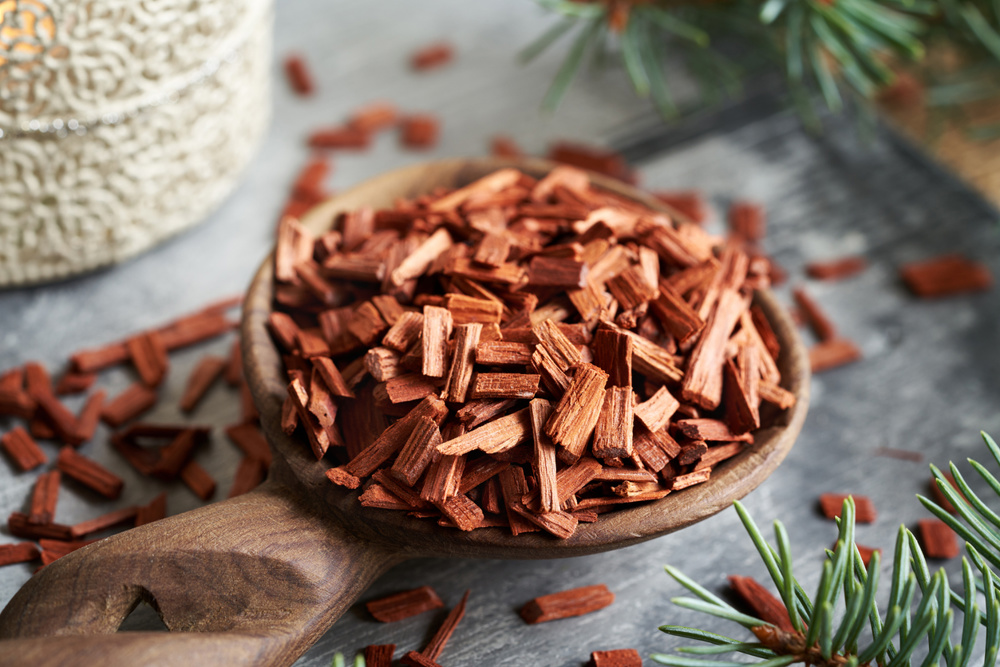
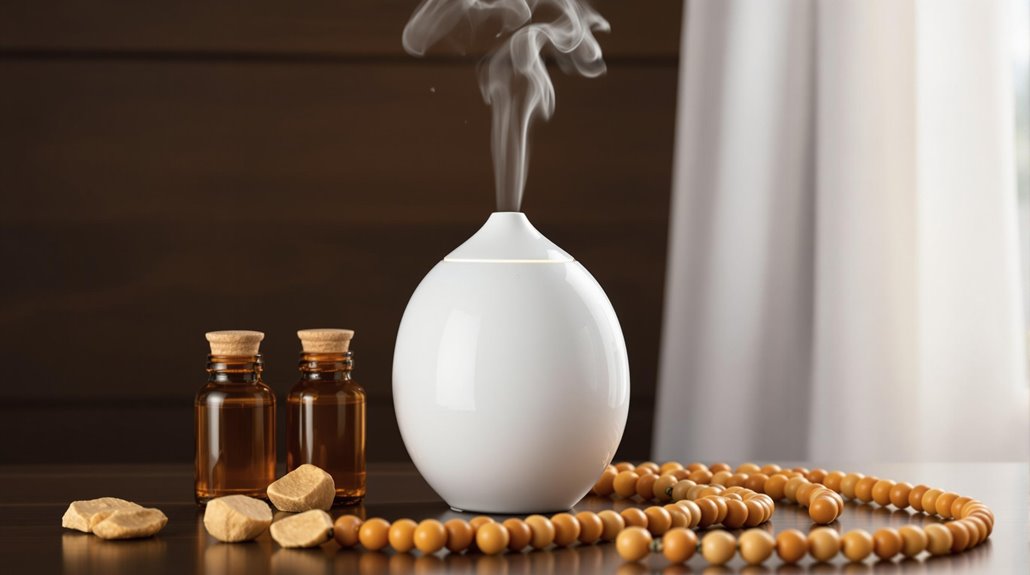
Sandalwood is having a major moment in modern wellness culture, and it's not hard to see why. Its calming scent aligns perfectly with the soft-care movement, while its skin-protecting and hydrating properties support today's simplified skincare routines.
You'll find it woven into fragrance layering trends and community wellness rituals focused on grounding and sensory experience. Stick around, because there's much more to uncover about why this ancient ingredient belongs in your self-care routine.
Why Sandalwood Is Reclaiming Its Place in Modern Wellness
Sandalwood's resurgence isn't accidental — it's a direct response to how wellness culture is evolving. You're no longer chasing 10-step routines or high-performance optimization. Instead, you're gravitating toward rituals that support your nervous system, repair your skin barrier, and actually feel good.
Sandalwood delivers on all three. Its calming sensory experience aligns with the soft-care movement — breathwork, touch therapy, and mood-boosting practices that prioritize emotional repair over metrics. Its protective skin hydration supports the simplified, barrier-focused skincare approach dermatologists now champion.
You're also seeing sandalwood appear in fragrance layering culture, where Gen Z and Millennials build personalized scent wardrobes for mood shifting and identity expression. Sandalwood isn't nostalgic — it's remarkably well-suited for exactly where wellness is heading. Community-based wellness is reinforcing this shift, as shared rituals, and group self-care experiences. Collective accountability is drawing people back to grounding, sensory-rich practices like those centered around sandalwood.
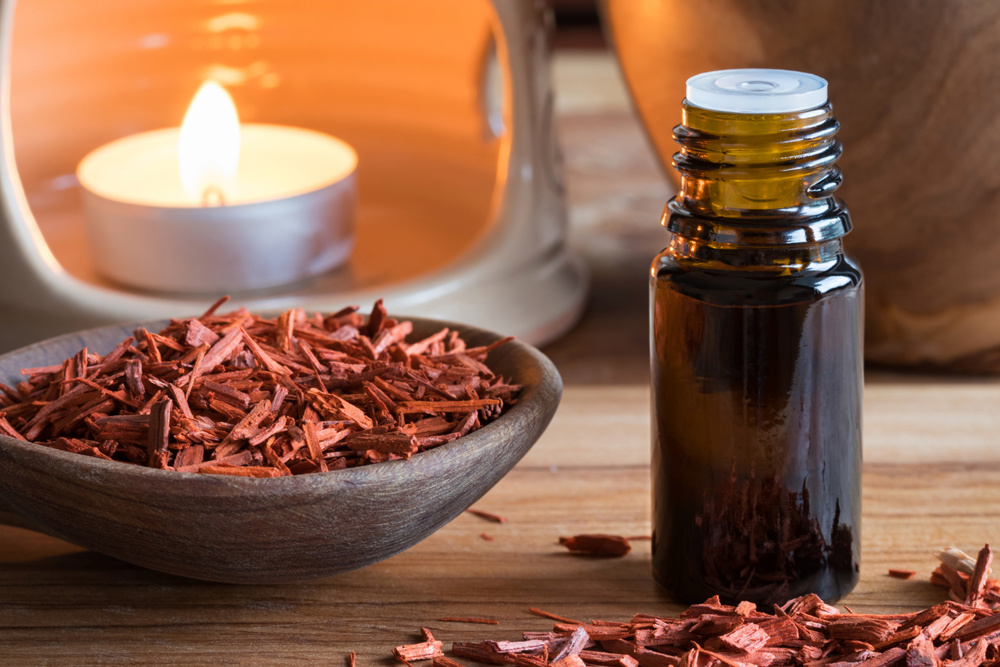
Sandalwood Has Been a Wellness Staple for Thousands of Years
Before adapting to modern wellness trends, sandalwood had already spent thousands of years earning its place as one of humanity's most revered healing substances. Ancient India, Egypt, and China all recognized its value, trading it along the Silk Road as a commodity rivaling gold.
Its spiritual significance runs deep — Hindu texts called it "chandan," associating it with purity and divinity, while Buddhist and Sufi practitioners burned it to enhance meditation and guide souls to the afterlife. Beyond its spiritual significance, ancient traditions also relied on sandalwood medicinally. Ayurvedic healers used it to treat fever, anxiety, and skin conditions, crediting its antiseptic and anti-inflammatory properties.
Hippocrates even referenced it for respiratory and skin ailments. You're not embracing a trend — you're reconnecting with a remedy that's withstood millennia of human experience. Egyptians also valued sandalwood for its preservative qualities, incorporating it into their embalming processes as a means of honoring and protecting the dead.
Why Sandalwood Is Everywhere Right Now
Another reason sandalwood is thriving today is its connection to modern fragrance culture. For younger consumers—especially Millennials and Gen Z—fragrance is no longer just about smelling pleasant. It has become a form of identity expression. Many people now build “scent wardrobes,” layering different fragrances depending on their mood or setting.
Sandalwood plays a central role in this trend because of its versatility. Its soft woodiness blends easily with florals, citrus notes, and musks, creating a balanced base for many perfumes. Luxury fragrance houses such as Le Labo, Byredo, and Aesop have helped elevate sandalwood’s profile through minimalist perfumes that emphasize natural ingredients and sensory storytelling.
On social media platforms like TikTok and Instagram, fragrance enthusiasts often describe sandalwood scents as “grounding,” “skin-like,” or “comforting.” These descriptions align perfectly with the emotional tone of modern wellness culture. The result is an ingredient that feels both timeless and contemporary.
Check out MrPopCulture.com and learn more about pop culture trends in Sandalwood’s benefits.
Why Sandalwood Is Now a Core Ingredient in Skin and Wellness Products
What kept sandalwood relevant across civilizations wasn't just tradition — its chemistry. Its active compound, santalol, delivers anti-inflammatory, antimicrobial, and antioxidant effects that align perfectly with today's niche beauty market trends favoring science-backed ingredients. That backing directly shapes consumer purchasing decisions.
| Skin Concern | Sandalwood Benefit | Key Action |
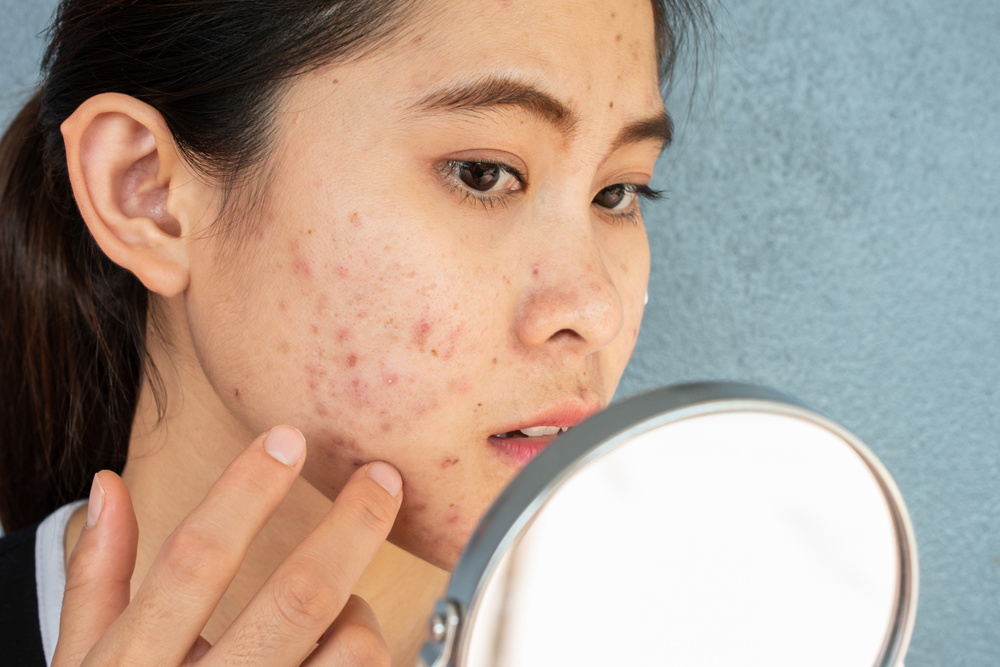
| Acne | Antibacterial | Targets bacteria without over-drying |
| Aging | Boosts collagen | Reduces fine lines, oxidative damage |
| Hyperpigmentation | Inhibits tyrosinase | Fades dark spots evenly |
You'll find it in serums, soaps, and masks because it multitasks — regulating sebum, retaining moisture, and calming irritation without clogging pores. It works across oily, sensitive, and mature skin types, making it genuinely versatile rather than trendy. For centuries, sandalwood has been a go-to ingredient in traditional remedies for soothing irritation and blemishes, offering a natural, time-tested approach to achieving a healthy complexion.
Sandalwood and the Rise of Ritual Skincare
One of the biggest changes in beauty culture over the past decade has been the transformation of skincare into a daily ritual rather than a purely cosmetic routine. Consumers increasingly view skincare as a moment of pause—a small ceremony that signals the transition from work to rest or from day to night.
Sandalwood fits perfectly into this ritualistic approach. Its scent encourages slow, deliberate application, turning skincare into a sensory experience rather than a mechanical task. Many brands now incorporate sandalwood into masks, serums, and facial oils designed specifically for evening routines.
These products often emphasize calming benefits rather than dramatic transformations. The message is simple: skincare should feel good, not stressful. This philosophy mirrors the broader shift toward gentler wellness practices.
What Sandalwood Actually Does for Your Skin
The chemistry behind sandalwood's skin benefits is unusually well-documented for a botanical ingredient. Your skin responds to its compounds across multiple biological pathways, delivering measurable results rather than surface-level effects. Key mechanisms driving sandalwood's anti-aging capabilities include:
- Collagen protection – Antioxidants reduce MMP1 enzyme activity, slowing collagen breakdown from UV and free radical damage
- Cellular regeneration properties – Skin cells contain olfactory receptors that sandalwood activates, accelerating cell proliferation and wound healing
- Oxidative stress defense – Reactive oxygen species production drops up to 76% when sandalwood-treated skin faces blue light exposure
You also benefit from its astringent action, which tightens pores and controls sebum, and its clinically proven antimicrobial properties, which reduce acne lesions in 90% of patients studied. This astringent effect is largely driven by tannins in sandalwood. This binds proteins in the skin to create a temporary tightening effect while simultaneously delivering antioxidant benefits.
The Mental Wellness Case for Sandalwood
Sandalwood works on your brain through 4 interconnected neurotransmitter systems — GABA, dopamine, serotonin, and acetylcholine — making its mental wellness benefits far more than aromatherapy folklore. Alpha-santalol crosses the blood-brain barrier directly, amplifying these effects at their source.
The cognitive performance benefits are measurable. Research published in Planta Medica recorded high attentiveness ratings from sandalwood's primary compound, while separate studies confirm sharper mental focus during demanding tasks — without sacrificing calm.
The emotional well-being enhancements operate through your limbic system, the brain's emotional and memory hub. Inhaling sandalwood reduces cortisol, activates your parasympathetic nervous system, and decreases anxiety-related interference with rest and recovery. Clinical observations in palliative care settings confirm that these aren't subtle effects — patients reported markedly greater relaxation compared to control groups. Sandalwood's relaxing properties improve sleep quality, making it a particularly valuable tool for those whose emotional distress manifests as insomnia or disrupted rest.
How to Use Sandalwood in Your Skin, Sleep, and Stress Routine
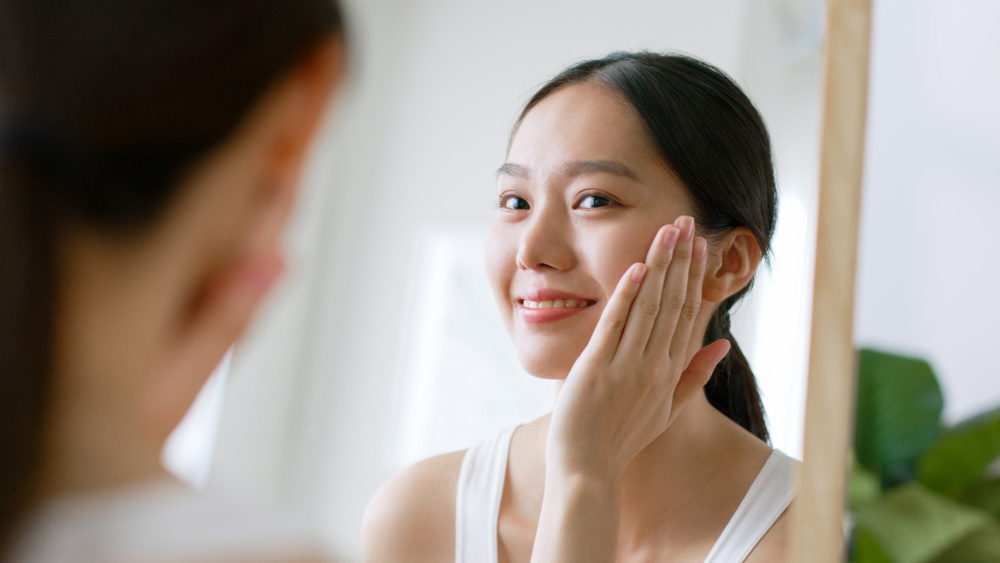
Understanding how sandalwood works on your brain is only half the picture — you also need to know how to put it to work in your daily life. Used consistently, it supports sustainable skin hydration, stress reduction, and natural sleep enhancement.
- Skin: Apply products with 1–10% sandalwood oil concentration to combat blue light oxidative stress and modulate sebum.
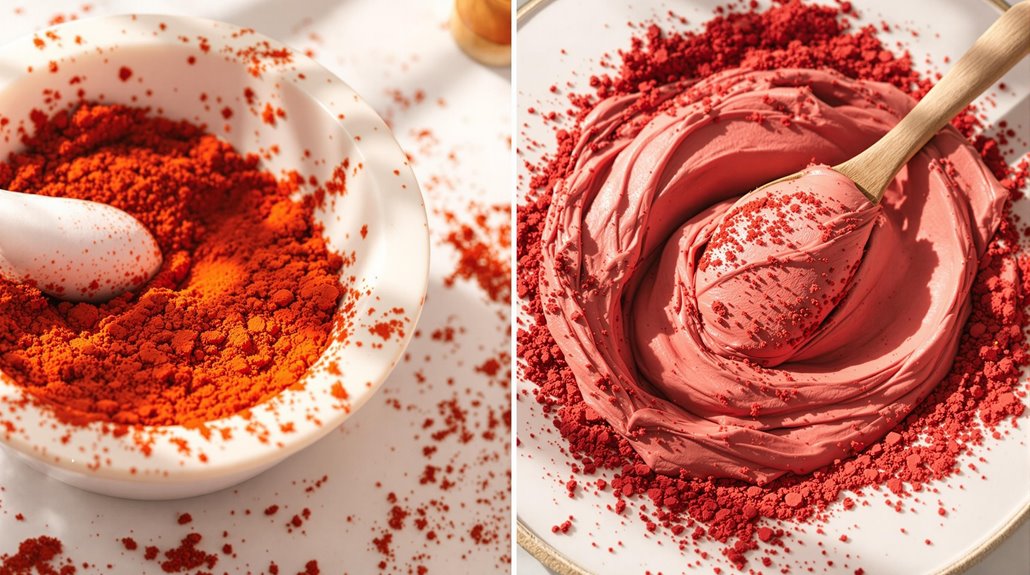
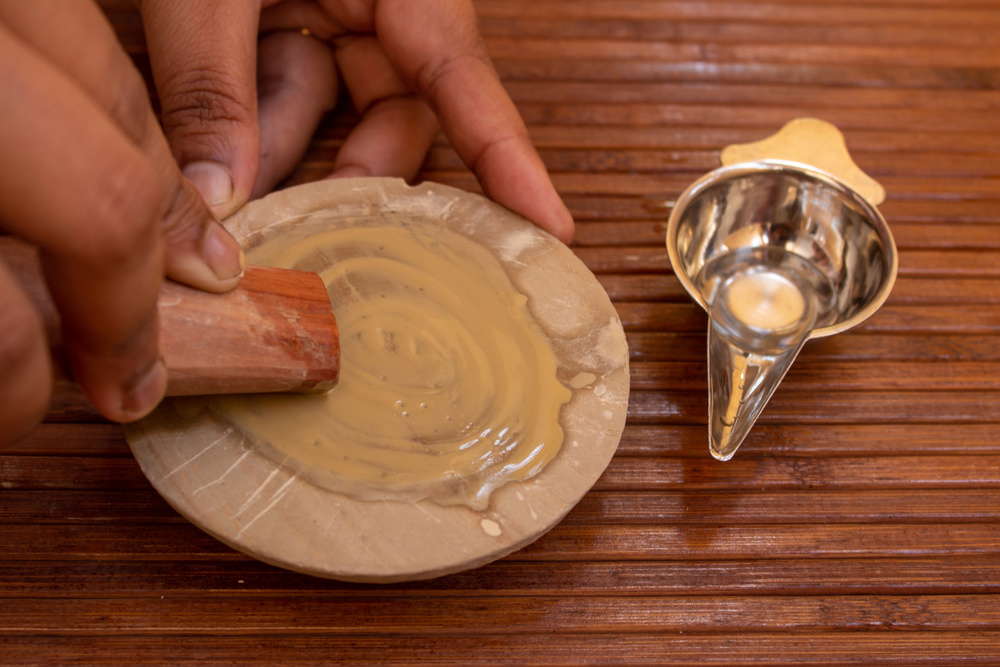
- Sleep: Mix sandalwood powder with rose water into a calming paste and apply before bed to soothe irritation overnight.
- Stress: Look for formulas containing alpha-santalol, which absorbs through skin and suppresses cortisol-linked inflammatory cytokines like IL-6 and IL-8.
These aren't complicated steps — they're small, evidence-backed habits that compound into real results. Sandalwood also shows promise in treating conditions like acne, psoriasis, and eczema, making it a versatile addition to any targeted skin care routine.
Sandalwood Essential Oils, Creams, and Incense Worth Buying
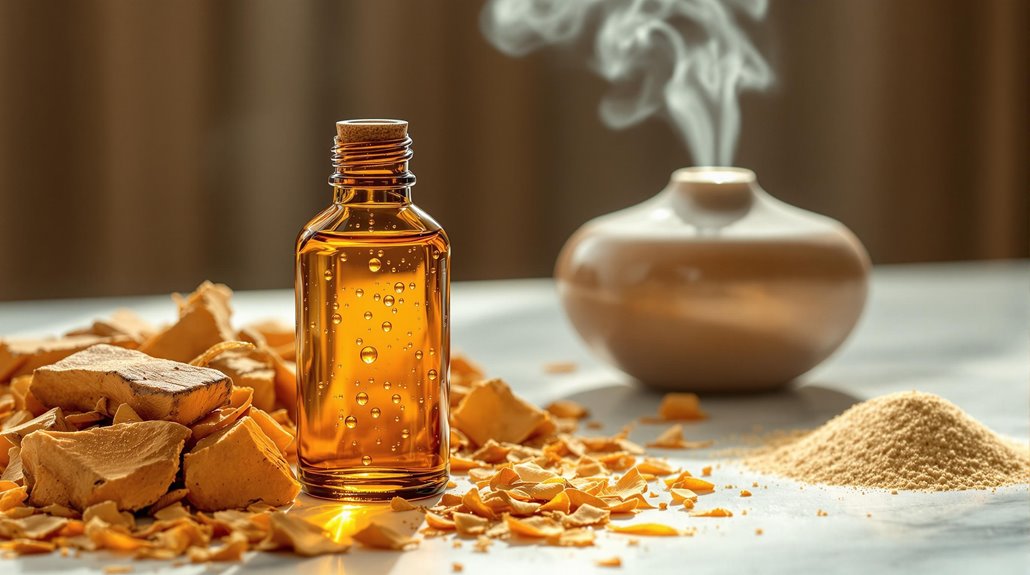
Not all sandalwood products deliver the same results — quality, sourcing, and formulation determine whether you're getting genuine therapeutic benefits or just a pleasant scent. For sandalwood aromatherapy benefits and sandalwood meditation applications, prioritize 100% pure Santalum album with verified α-santalol content.
| Product | Best For |
| doTERRA Sandalwood Oil | Complexion smoothing, imperfection reduction |
| Nikura Sandalwood | Anxiety relief, inflammation control |
| Tisserand Sandalwood Cream | Eczema relief, sebum balancing |
| Air Oasis Incense | Relaxation, sleep support |
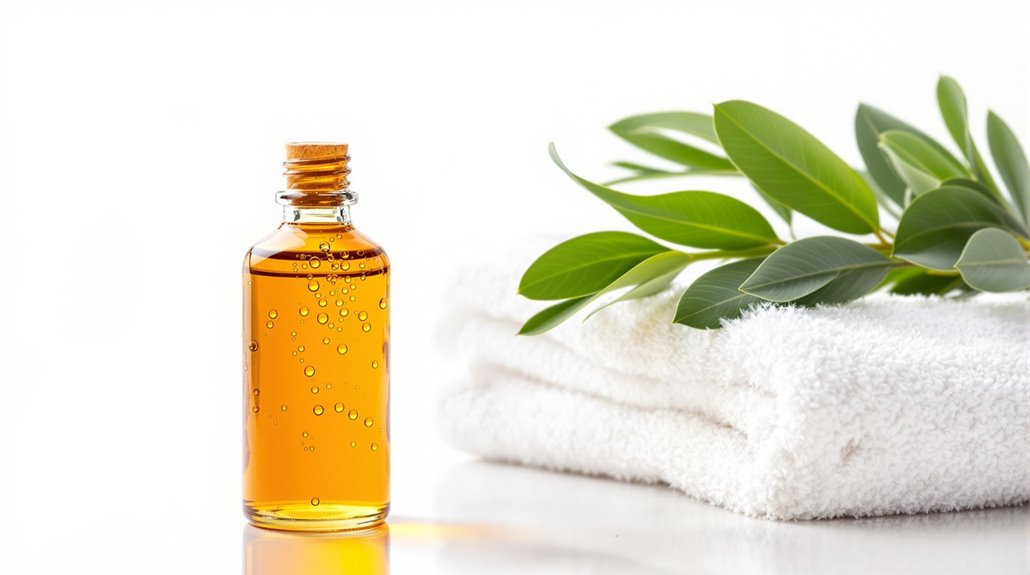
Always dilute essential oils with jojoba or coconut oil before topical use. Check for sustainable sourcing — overharvesting threatens Santalum album availability. Avoid undiluted application and patch-test first, especially on sensitive skin. Sandalwood's powerful antiseptic properties make it particularly valuable for those managing acne or eczema-prone skin when selecting a topical product.
How to Choose a Sandalwood Product Worth Buying
Choosing a sandalwood product worth your money starts with knowing the species. Indian Sandalwood (*Santalum album*) remains the gold standard, while Pacific Sandalwood offers 57–80% santalol content for targeted applications like wellbeing and skincare. Australian sandalwood is your best sustainable option, especially in ultra-fine powder form for exfoliants and masks.
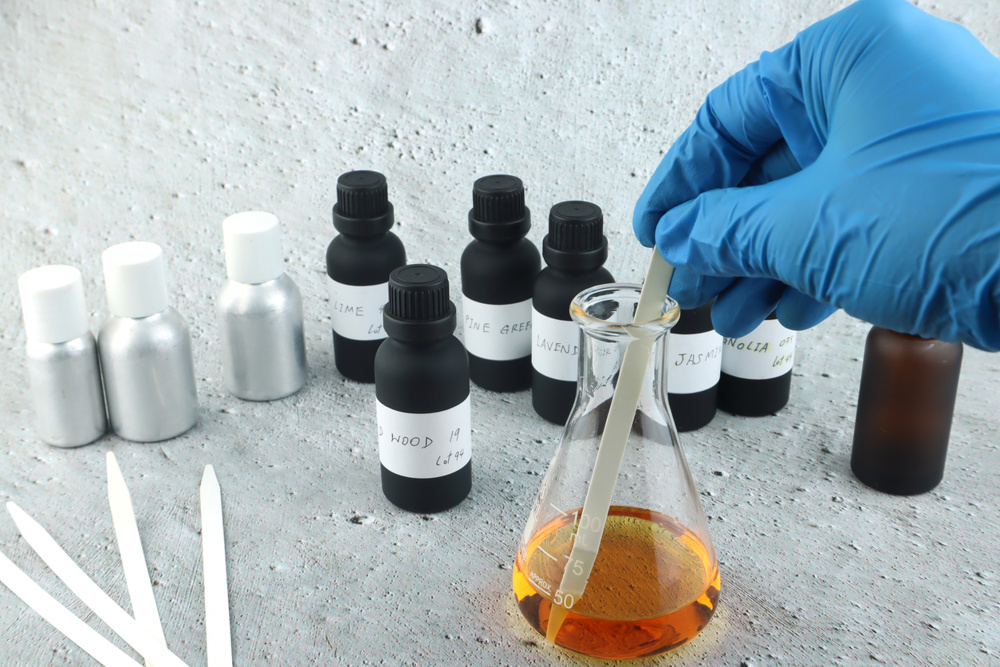
For ingredient quality verification, check that essential oils list heartwood or root extraction, since santalol concentrates there. Real oil develops a pale yellow to brownish yellow color after six months post-distillation. If it's too clear or priced suspiciously low, it's likely adulterated or synthetic.
Synthetics like Polysantol work at under 1% but can't replicate natural sandalwood's full complexity. Know what you need, then match the form—oil, powder, or timber—to that purpose. When a product is labeled simply as "sandalwood," it may actually contain Amyris oil, which belongs to a different plant family and contains no santalol whatsoever.
Why Sandalwood Matters Now
The current enthusiasm for sandalwood reflects a larger cultural moment. Modern life is fast, digital, and often overwhelming. Many people spend their days navigating screens, notifications, and constant information. In response, wellness culture has begun emphasizing practices that slow the pace of daily life.
Sandalwood embodies this shift. Its scent evokes warmth, grounding, and quiet reflection—qualities that contrast sharply with the noise of modern digital environments. The ingredient also represents a growing appreciation for traditions that connect people with nature and ritual.
In an era of rapid trends and disposable products, sandalwood’s long cultural history offers a sense of continuity. In other words, sandalwood’s resurgence isn’t just about skincare or fragrance. It’s about rediscovering small moments of calm in a busy world.
Conclusion
Sandalwood’s rise within modern wellness culture illustrates how ancient ingredients can find new relevance in contemporary life. Its calming scent, gentle skincare benefits, and deep historical roots align perfectly with today’s shift toward slower, more mindful self-care practices.
What makes sandalwood especially compelling is its ability to bridge worlds. It connects traditional healing practices with modern beauty science, individual relaxation with shared rituals, and sensory pleasure with emotional wellbeing. In a culture searching for balance, that combination feels especially powerful.