Fascinating Facts About Sandalwood: Scent, Origins, Uses, and What Makes It So Prized
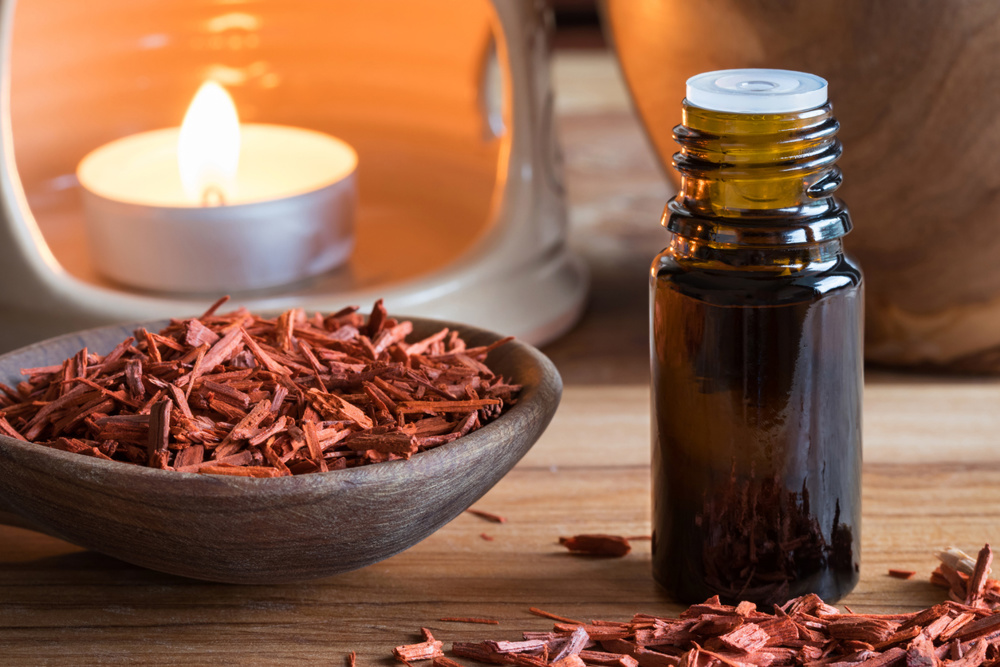
Sandalwood has been valued for thousands of years, not just for its fragrance but for what it represents—calm, status, ritual, and continuity. Long before modern perfumes and wellness trends, this aromatic wood was burned in temples, carved into sacred objects, and applied directly to the skin in spiritual practices. Its scent is instantly recognizable: warm, creamy, and quietly grounding.
What makes sandalwood unusual is how consistently it has been valued across cultures and centuries. From ancient India and Egypt to modern skincare and fragrance industries, it has remained one of the most sought-after natural materials in the world. Unlike many botanicals that fade in and out of relevance, sandalwood has never really disappeared—it has simply adapted.
Where Sandalwood Comes From and Why It’s Rare
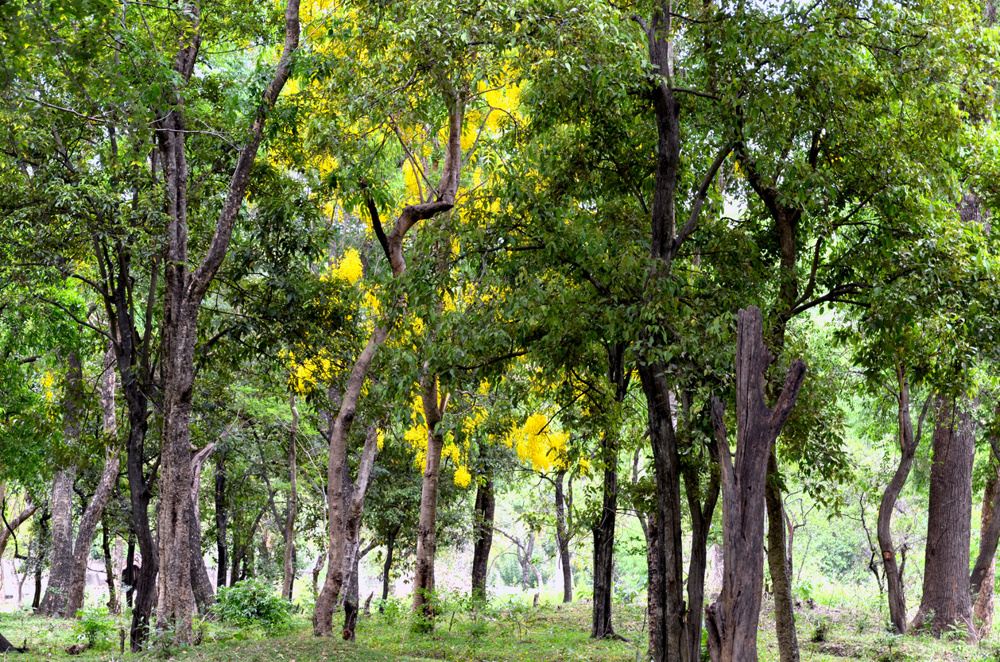
Sandalwood refers to a group of trees in the Santalum genus, most famously Indian sandalwood (Santalum album). These trees are native to parts of India, Southeast Asia, and Australia, and they are highly unusual in how they grow. Sandalwood trees are semi-parasitic, meaning they draw nutrients from nearby plants while developing their own root system.
What makes sandalwood especially valuable is that its fragrance comes from the heartwood, not the outer layers of the tree. This heartwood takes years—often decades—to develop its full aromatic properties. In many cases, a tree must grow for 15 to 30 years before it produces oil of significant quality.
Because of this slow growth and high demand, sandalwood has faced overharvesting for centuries. Indian sandalwood in particular became so valuable that it was heavily regulated and protected. Today, sustainable plantations in Australia and other regions are helping meet demand, but high-quality sandalwood remains rare and expensive.
What Does Sandalwood Actually Smell Like?
Sandalwood's scent is warm, rich, and creamy — grounding at first, then unfolding into deeper earthy and woody undertones. Its aroma characteristics vary by origin, but you'll typically notice sweet, balsamic, and slightly spicy qualities layered beneath a soft woodiness. Indian sandalwood delivers the richest scent intensity — deep, creamy, and amber-laced with leather hints. Australian sandalwood runs greener and fresher, with toasted nut nuances and gentle pine undertones.
The scent unfolds in stages. You'll catch sweet, green top notes first, followed by a woody, hay-like heart, then a resinous, spicy base that lingers. It's subtle initially, but it builds into something complex. That slow development makes sandalwood one of perfumery's most dependable and enduring base notes.
Sandalwood's appeal crosses gender boundaries — its dryness and balsamic notes make it a scent that is perceived as both feminine and masculine.
Step deeper into the world of Sandalwood with more fascinating facts and trivia.
Trade, Status, and the Global Demand for Sandalwood
As trade routes expanded, sandalwood became one of the most valuable commodities moving between regions. It was transported across Asia, the Middle East, and eventually Europe, often reserved for royalty, religious institutions, and the wealthy.
In many societies, owning sandalwood or products made from it was a sign of status. Its rarity and long cultivation time made it expensive, while its association with spirituality added cultural value. It wasn’t just a fragrance—it was a symbol of refinement and access.
Colonial trade further increased demand, particularly for Indian sandalwood, which was considered the highest quality. Over time, this demand contributed to overharvesting, reinforcing sandalwood’s reputation as both precious and scarce.
The Craft and Science Behind Sandalwood Oil
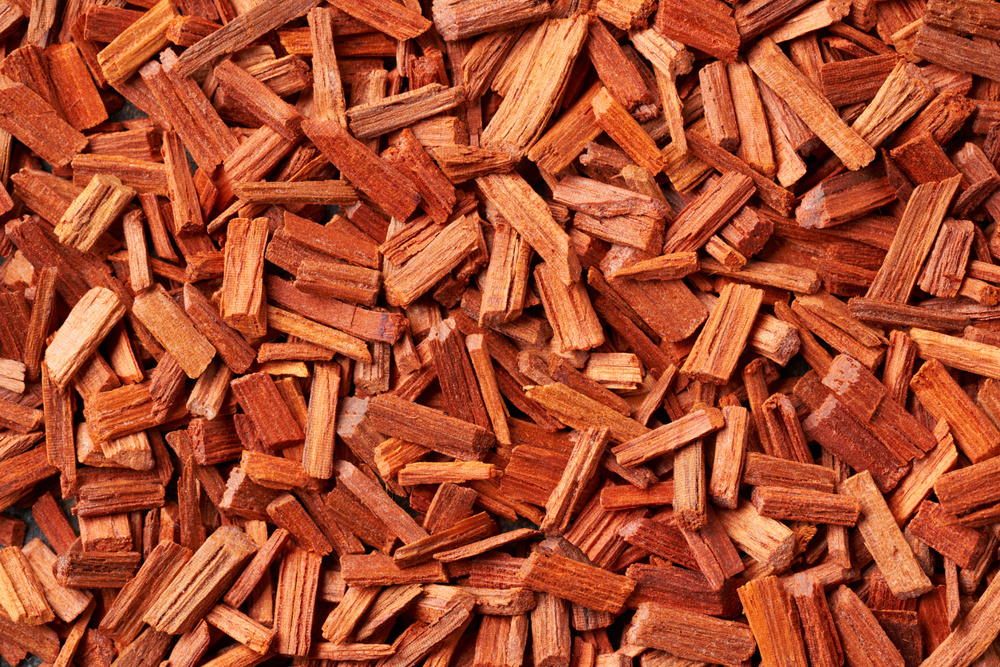
Behind the scent you've come to recognize lies a surprisingly technical process. Heartwood extraction quality depends heavily on sourcing mature wood, since older trees produce richer, more aromatic oil. You'll find that ideal processing conditions vary considerably depending on the method used.
| Method | Yield | Time |
| Steam Distillation | 1.60% | 10 hours |
| Soxhlet Solvent | 3.76% | 4 hours |
| Subcritical CO2 | 4.11% | 1 hour |
Roots and inner heartwood contain the highest oil concentration, making wood selection critical before extraction even begins. Steam distillation remains the most common approach, but subcritical CO2 outperforms it in both speed and yield.
Each method also affects the final oil's color, viscosity, and aromatic profile. Modern facilities often integrate PLC/SCADA automation to maintain precise control over temperature and pressure throughout the distillation process.
What's Actually in Sandalwood Oil?
Beyond santalols, you'll find sesquiterpene hydrocarbons around 6%, alongside oxygenated compounds like α-bergamotol and nuciferol. Minor constituents include linalool, farnesyl acetate, and γ-elemene. Knowing common adulterants found in commercial sandalwood oils matters too.
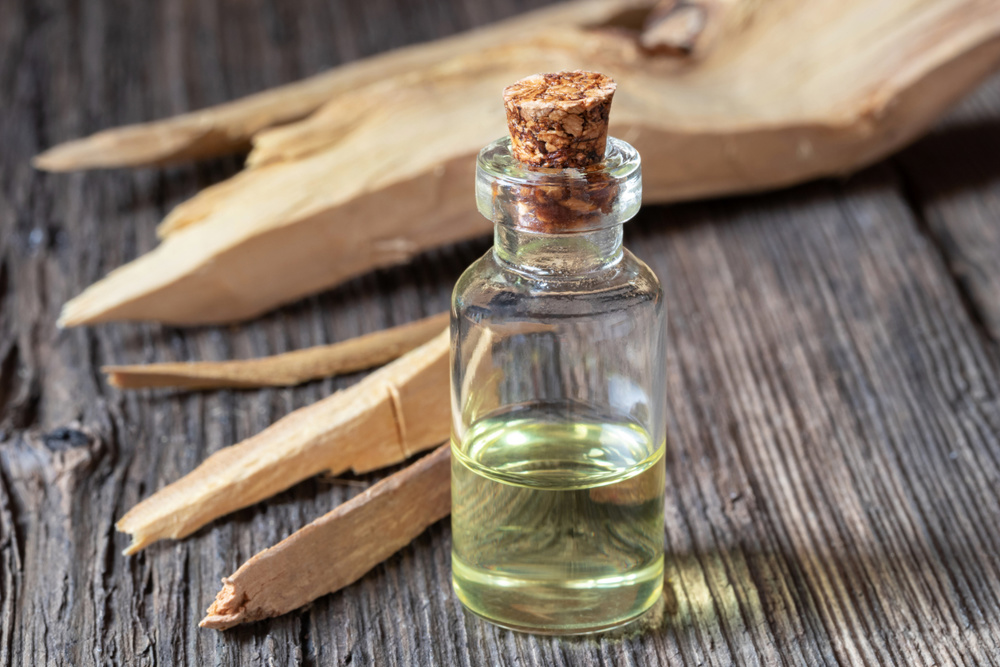
Synthetic substitutes like javanol, ebanol, and polysantol frequently appear in lower-grade products, imitating sandalwood's scent without matching its full chemical integrity. Always check sourcing when authenticity counts. The oil itself is a pale-yellow to yellow liquid with a characteristic sweet, woody, and long-lasting odor that makes it immediately recognizable.
The Two Molecules That Give Sandalwood Its Smell
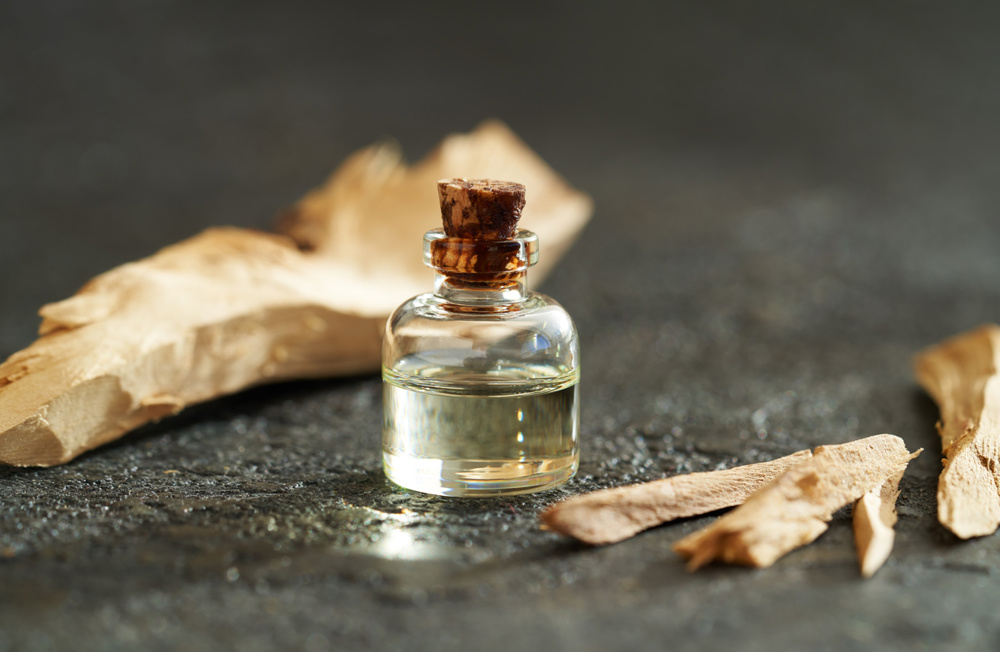
When you smell sandalwood, two sesquiterpene alcohols are doing nearly all the work: alpha-santalol and beta-santalol. Alpha-santalol delivers that milky, warm, woody, musky character, while beta-santalol adds a creamy, sweet balsamic quality with smoky suede undertones. Together, they create sandalwood's comforting, powdery impression.
Meeting specific molecular structure requirements is what makes these molecules so effective. Each contains a hydroxyl group, a rigid bulky alkyl radical positioned near that polar group, and sits within the ideal 12–16 carbon range.
Their role in perfumery and adulteration is significant. As fixatives, they anchor fragrances to skin for hours. Because natural sandalwood is scarce, adulterated oils often substitute synthetics like javanol, ebanol, or polysantol, which mimic santalols without matching their full complexity. Sandalwood's fragrance is drawn from the tree's heartwood via steam distillation, which is where the highest concentrations of these valuable santalol compounds are found.
How Sandalwood Is Used in Everyday Products
Sandalwood touches more of your daily life than you might realize, showing up across five distinct product categories that span personal care, aromatherapy, perfumery, medicine, and homecare. You'll find it in lotions, anti-aging creams, and dermatological treatments targeting psoriasis and atopic dermatitis.
Aromatherapy products use it for stress relief, sleep improvement, and emotional balance. In perfumery, its woody scent drives global demand to 10,000 metric tons annually, pushing sustainable production methods to the forefront. Pharmaceuticals leverage its antimicrobial and wound-healing properties, while homecare and food products incorporate its subtle fragrance for lasting appeal.
This broad integration in consumer products reflects sandalwood's versatility, with the market projected to reach USD 739.75 million by 2032 at a 6.6% CAGR. Manufacturers are increasingly exploring multifunctional formulations that combine sandalwood extracts with complementary ingredients to meet the growing consumer demand for products that deliver multiple benefits in a single application.
The Best Synthetic Sandalwood Alternatives
Given how long sandalwood takes to mature and how strictly it's regulated, the fragrance industry couldn't afford to wait around — and it didn't. Today, several synthetic alternatives deliver impressive performance characteristics that rival or even surpass natural sandalwood in specific ways.
Javanol offers creamy, floral-woody softness at concentrations below 0.1%, making it exceptionally efficient. Sandalore hits harder upfront, with top note power roughly 50% stronger than natural sandalwood oil. Polysantol brings a bold, natural-smelling sweetness that's nearly impossible to overuse. Bacdanol rounds things out with a thicker, denser profile than Sandalore.
Smart blending synergies multiply these benefits — pairing Javanol with Mysoral, for instance, deepens sandalwood authenticity noticeably. You're no longer limited to one material; you're building something richer through thoughtful combination. These synthetic constituents typically include terpenes, terpenols and terpenals, the same chemical building blocks that give natural sandalwood its characteristic warmth and depth.
How Sandalwood Behaves Inside a Finished Fragrance
What makes sandalwood so indispensable in perfumery isn't just its smell — it's how it behaves once it's locked inside a finished formula. It functions as a base note, meaning you'll experience it last, often hours or even days after application.
Its large molecules slow evaporation, directly boosting fragrance longevity while anchoring lighter ingredients that would otherwise fade too quickly. Sandalwood also acts as a fixative, keeping the composition stable and smoothing shifts between the middle and base.
That reliability opens up serious blending creativity — you can pair it with florals, citrus, orientals, or incense and it adapts without dominating. Its α-santalol and β-santalol compounds deliver that signature creamy, velvety warmth, giving any formula a polished, cohesive drydown you can count on. Sandalwood's interaction with skin heat produces a uniquely personal scent experience, meaning the same formula can smell subtly different from one person to the next.
Sandalwood in Modern Wellness and Lifestyle Culture
In recent years, sandalwood has found a place in modern wellness routines. While its traditional uses were rooted in religion and ritual, today it is often used for stress relief, focus, and relaxation.
Diffusing sandalwood oil during work or meditation can help create a more stable mental environment. Its scent is often described as grounding, making it useful during periods of stress or overstimulation. Unlike trend-based wellness products, sandalwood offers a simple, consistent sensory experience.
It has also become part of minimalist self-care routines. Instead of using multiple fragrances or products, many people use sandalwood as a single, reliable scent throughout their day. This reflects a shift toward simpler, more intentional routines rather than complex systems.
How to Choose and Use Sandalwood Today
For those interested in using sandalwood, quality matters more than quantity. Pure sandalwood oil is often expensive, so it is important to check sourcing and authenticity before purchasing. Products labeled as “sandalwood” may sometimes contain synthetic substitutes rather than true sandalwood oil.
Sandalwood can be used in several simple ways:
- Topically (diluted): Applied to wrists or temples for a subtle, lasting scent
- Diffusers: Used to create a calm indoor environment
- Incense or candles: Ideal for evening relaxation or meditation
- Skincare products: Incorporated into routines for its soothing properties
The key is consistency rather than intensity. A small amount used regularly often has a greater impact than occasional heavy use.
Conclusion
Sandalwood’s story is one of continuity. From ancient temples to modern homes, it has remained valued not just for how it smells, but for how it makes people feel—calm, focused, and grounded. What sets sandalwood apart is its ability to adapt without losing its essence.
It has moved from ritual to lifestyle, from sacred spaces to everyday routines, while maintaining the same core qualities that made it prized thousands of years ago. In a world filled with fast-changing trends, sandalwood stands out as something enduring. Whether used in fragrance, self-care, or quiet moments of reflection, it continues to offer a simple but powerful experience—one that connects the past with the present through scent.
Related posts