Best Scents That Capture the Feeling of Visiting Texas
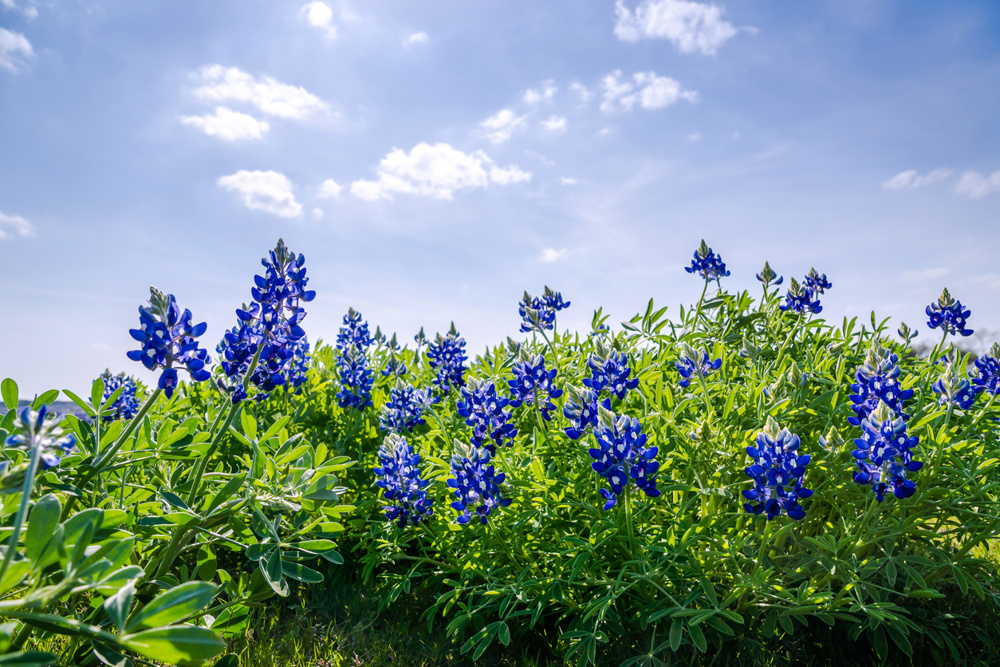
You can capture Texas’s essence through sun-warmed cedar (juniper) and dry woods that feel like the Hill Country, paired with springtime wildflower touches and creamy comfort notes that nod to Texas hospitality. Add clean herbal air—sage after rain—and a subtle mineral “stone” impression that feels like limestone and dusty trails.
The sections below break down the scent families that most reliably recreate that “Texas” feeling, plus how to wear them for work, dates, and everyday.
Find Your Texas Scent Profile
Not sure where to start? Use this quick guide to choose the Texas-inspired direction that fits your personality and climate comfort level.
Woodsy (Hill Country Classic)
You gravitate toward cedar chests, hiking trails, campfire warmth, and dry air.
Look for: Texas cedar (juniper), sandalwood, light amber, dry musk.
Best for: Cooler evenings, date nights, fall and winter wear.
Fresh (Prairie After Rain)
You prefer clean, herbal air and subtle projection.
Look for: Sage, citrus peel, soft green herbs, mineral notes.
Best for: Office settings, summer heat, daytime wear.
Sweet (Texas Hospitality)
You love warmth and comfort but don’t want to smell sugary.
Look for: Vanilla, tonka bean, toasted almond, soft spice.
Best for: Fall, winter, casual nights out.
Heritage (Western Influence)
You’re drawn to leather boots, dance halls, and rugged tradition.
Look for: Leather, tobacco leaf, cedarwood, smoky woods.
Best for: Evenings, events, statement-making occasions.
If you’re new to Texas-style fragrances, start with fresh or woodsy profiles—they’re the most versatile in warm climates.
What Makes Texas Fragrances Unique
Texas-inspired scents tend to lean woody, dry, and sunlit rather than lush and dewy. A big driver is the state’s iconic “cedar” aroma—often Ashe juniper (frequently used for Texas cedarwood oil), which reads sharp, resinous, and slightly smoky, especially in heat.
You’ll also see “prairie” herbs (sage, rosemary-like facets, grasses), warm gourmand accents (vanilla/tonka), and leather/tobacco themes that echo Texas’s Western imagery. The best versions don’t smell like a novelty candle—they use these notes as structure, not gimmick.
Texas by Region: How Geography Shapes Scent
Texas is too large to smell like one thing. Regional landscapes influence fragrance direction.
Hill Country: Sun-Warmed Woods
Rolling limestone hills and juniper-covered terrain create a dry cedar and mineral air profile.
Signature notes: Texas cedar (juniper), sandalwood, light amber, crushed herbs.
Gulf Coast: Salt Air and Driftwood
Coastal humidity softens scent edges. Think breezy and mineral rather than sharp.
Signature notes: Citrus peel, soft driftwood, sea breeze accords, subtle musk.
West Texas Desert: Resin and Herbs
Desert air feels expansive and aromatic.
Signature notes: Sagebrush, dry herbs, faint smoke, sun-baked woods.
Piney Woods (East Texas): Resin and Forest Depth
Tall loblolly pines and humid forest floors create a deeper, greener scent identity.
Signature notes: Pine resin, damp earth, mossy woods, soft leather.
Understanding regional influence helps you choose whether you want crisp and dry or green and resinous.
Hill Country Florals and Texas Wildflowers
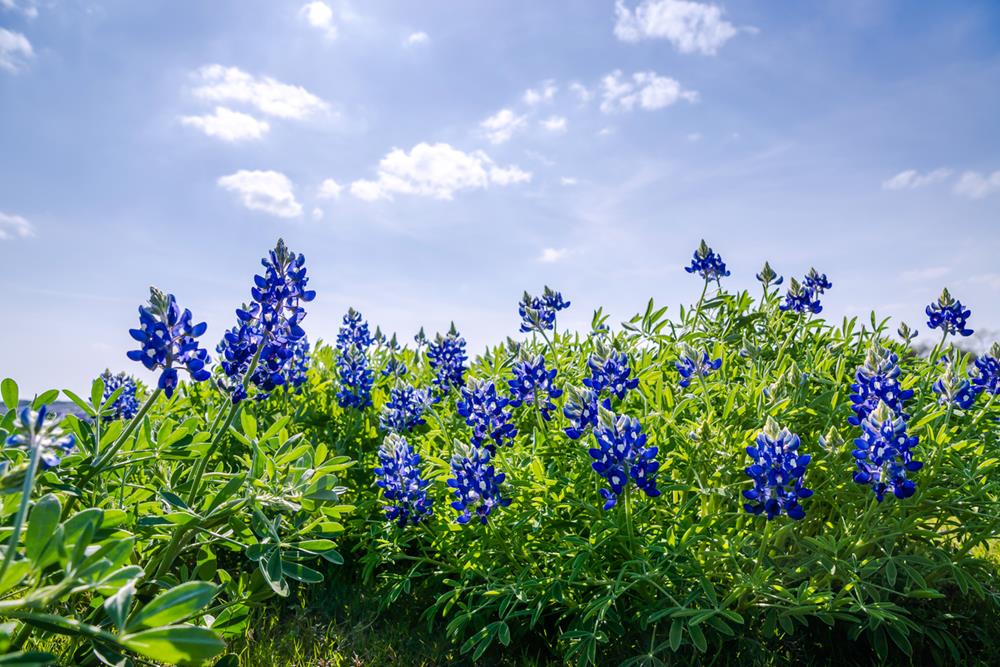
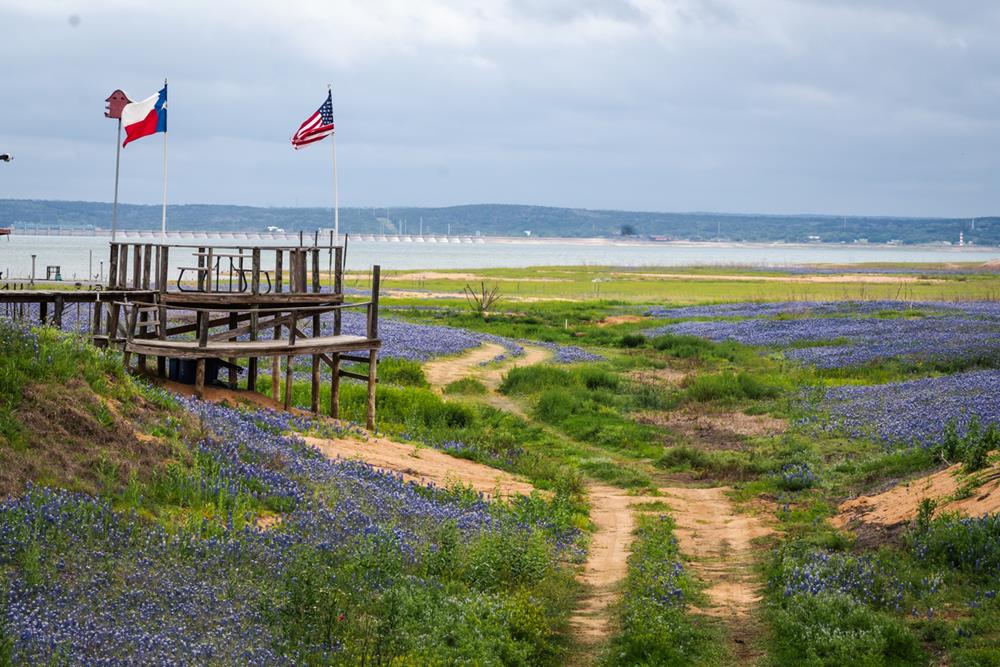
Texas spring is famous for wildflower drives, so a “Texas-feeling” floral usually works best as a supporting layer: light, airy, and sun-bleached—more “fields along the road” than heavy bouquet.
Look for:
- Wildflower-style accords (fresh, slightly green, not syrupy)
- Soft white florals (think “clean petals” rather than big indolic jasmine)
- Lavender-herbal blends that still read dry (not powdery)
If you love florals but want it to stay Texas-coded, anchor them with a cedar/juniper or clean musk base so they don’t drift into “garden party” territory.
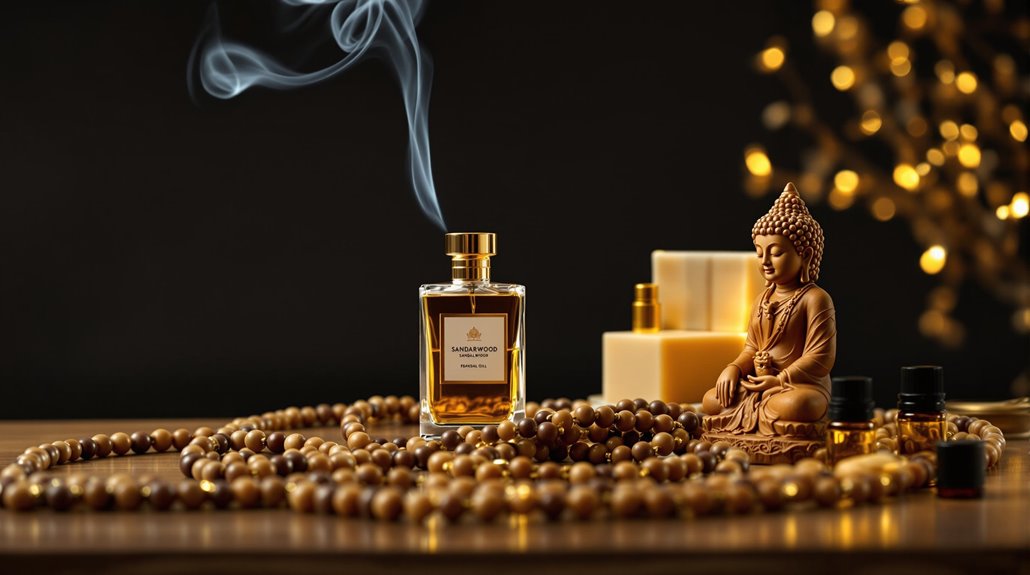
Warm Woods: Sandalwood and Texas Cedar
This is the easiest shortcut to “Texas air.” Many products labeled “Texas cedar” are referencing juniper rather than true cedar species, and Ashe juniper is widely cited as a source for Texas cedarwood oil.
To make it wearable (not sauna-like), pair cedar/juniper with:
- Sandalwood (creamy, smooths the sharp edges)
- Citrus peel (brightens)
- Cardamom (adds lift without sweetness)
- Soft amber (adds warmth without stickiness)
Sweet and Spicy Comfort: Vanilla and Tonka
Texas isn’t only rugged—there’s also the “warm welcome” side. Vanilla + tonka blends capture that comfort, especially in cooler months or evenings.
The most Texas-feeling versions tend to be:
- Vanilla that’s toasted/creamy (not frosting)
- Tonka that reads nutty/hay-like with a faint tobacco nuance (not candy)
A small amount goes a long way in Texas heat, so this category shines as a base layer under cedar, leather, or spice.
Fresh Prairie Air: Sage and Rain-Soaked Grass
After rain, Central Texas can smell clean and mineral. A good “prairie fresh” profile usually includes:
- Sage or dry herbs
- Fresh-cut grass facets
- A subtle petrichor/mineral impression
This is one of the best daytime families—especially for people who want “Texas” without heavy smoke, leather, or sugar.
Rugged Heritage: Leather and Tobacco
Leather and tobacco notes are a classic way to signal Texas heritage without smelling like costume. If you want a modern take, look for leather softened by woods, iris/violet-like facets, or clean amber.
Example: Tom Ford’s Ombré Leather Parfum is widely listed as a 2021 release, and is commonly credited to perfumer Sonia Constant in fragrance databases.
Bright Citrus: Rio Grande Valley Vibes
Texas citrus-forward scents feel like sun and open sky—great for hot weather. Instead of pinning this to a single acreage number, it’s safer (and more accurate) to frame citrus as a long-running Rio Grande Valley specialty with meaningful economic importance.
Agriculture reporting has described Texas citrus as a major regional industry with annual economic activity in the hundreds of millions of dollars.
In fragrance terms, look for:
- Grapefruit peel (sparkly, bitter-bright)
- Orange blossom/neroli (clean “sunshine” floral)
- Cedar/juniper base (keeps it Texas instead of “beach cologne”)
Choosing Texas Scents for Work, Dates, and Casual Days
- Work / close quarters: prairie fresh (sage/clean woods), light cedar + citrus, or soft mineral musks
- Dates / evenings: cedar + amber, leather-woods, or vanilla-tonka layered under dry woods
- Casual days: wildflower-fresh blends, citrus woods, or “after rain” herbals
Texas rule of thumb: in warm months, apply lighter and let heat do the projection.
How to Layer Texas Scents for Depth and Balance
Layering helps you personalize a Texas-inspired fragrance without overwhelming the heat.
Cedar + Grapefruit (Summer-Ready Classic)
Apply a cedar or sandalwood base lightly, then add a bright grapefruit or citrus top layer.
Best for: Summer days, outdoor events, casual wear.
Leather + Sage (Modern Western)
Start with a soft leather or tobacco base and add a fresh herbal layer like sage.
Best for: Evenings, concerts, cooler transitional seasons.
Vanilla-Tonka + Dry Woods (Fall Comfort)
Use a light vanilla-tonka fragrance as a base and anchor it with cedar or sandalwood.
Best for: Fall festivals, winter evenings, holiday gatherings.
In Texas heat, apply lightly and focus on pulse points. Let body warmth activate the scent rather than overspraying.
Where to Buy Authentic Texas Fragrance Collections
If you want Texas-made or Texas-curated without digging through novelty products, start with retailers and makers that are clearly established:
- Boyd’s of Texas (San Antonio maker/brand presence is well documented through its own channels and long-running retail footprint).
- Curated retailers like STAG Provisions (Texas-based retail) and Dallas’s The Scent Room (specialty perfumery).